Center Certification & Testing International
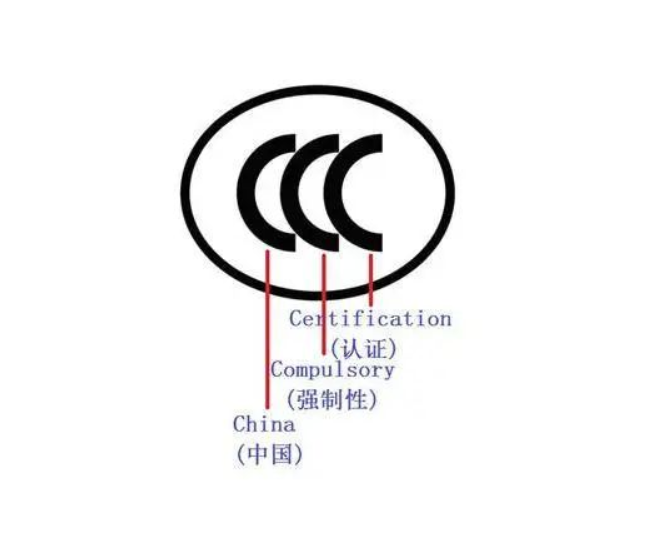
CCC Certification is a mandatory safety certification for electronic products formulated by the Chinese government. It serves as the statutory threshold for products to enter the domestic market, rather than an optional bonus qualification for enterprises. Currently, all electrically‑powered label printing devices on the market are included in the mandatory certification catalogue. Many merchants hold misconceptions that small portable printers are exempt from certification, which is also the most common compliance violation in the industry. Products without CCC certification are strictly prohibited from online sales, offline circulation and bidding‑procurement applications. Once investigated, enterprises will face penalties such as fines, goods seizure and business suspension for rectification, which will seriously disrupt normal business operations.

As foreign trade of wireless headsets keeps booming, TWS headsets have become a hot‑selling category in cross‑border consumer electronics. Many manufacturers devote efforts to polishing headset appearance, sound quality and functions, yet often overlook built‑in batteries, a critical component. After products are shipped overseas, many enterprises encounter customs detention, rejection from purchasers and failure to meet market‑access standards. The root cause in most cases is the absence of corresponding international certifications for batteries. Lithium‑ion batteries for TWS headsets are key components under strict overseas regulation, and CB certification serves as an important tool to solve such overseas‑trade difficulties.
Nowadays, TWS headsets maintain high consumer popularity. Many domestic manufacturers are turning to overseas markets in pursuit of new growth opportunities. However, quite a number of enterprises run into unexpected troubles in their global expansion: ready‑for‑shipment goods are intercepted in air or sea transport, customs clearance is rejected outright, and entire batches of goods get returned, causing heavy losses. Very often, the problem is not the quality of the headsets themselves, but the lack of valid UN38.3 compliance documents for the built‑in lithium‑ion batteries. Many small‑ and medium‑sized manufacturers have limited knowledge of this certification and take chances, only to suffer avoidable financial losses.

In an era where smart devices are inseparable from daily life, charging adapters have become indispensable \"energy supply stations\". For domestic Chinese charging‑adapter manufacturers aiming to sell products globally and pursue higher profit margins, they first need to navigate fragmented safety standards across various countries. Does exporting to every new country mean repeating full testing and paying fees over and over? Certainly not. This is where you need the \"master key\" to global markets — CB certification.
Against the backdrop of a booming digital consumer market, charging adapters serve as essential supporting accessories for mobile phones and small household appliances, enjoying strong market demand. Many enterprises complete product development and make plans to launch goods on e‑commerce platforms or supply offline channels, only to stumble over compliance requirements. There are frequent cases where charging adapters get platform‑delisted, shipments are detained, or businesses face administrative penalties due to missing certifications. Numerous manufacturers hold vague perceptions of CCC certification: they are unclear about which products need certification, what application procedures entail, and the underlying commercial value of certification. This article demystifies CCC certification for charging adapters in plain‑spoken terms.
Against the backdrop of booming global trade, lithium batteries — the \"heart\" of the new energy era — are shipped worldwide in massive volumes. Nevertheless, many enterprises face setbacks at the logistics stage when exporting their goods: cargo detained by customs, rejected shipments by airlines, or even hefty fines and product returns. The root cause is usually the absence of a critical transport credential: UN38.3 Certification.
Amid the global new energy boom, lithium batteries have become the core power source driving smart devices and green mobility. However, when enterprises are ready to launch their products overseas, they often hit a wall due to complicated safety certification barriers set by various countries. How can these trade barriers be broken to safely and efficiently bring products to global markets? The answer lies in CB Certification.
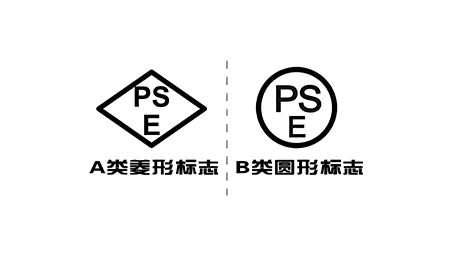
The Japanese market is a high-priority target for cross-border sellers thanks to high unit prices and loyal consumer groups. The boom in self-driving travel has sent demand soaring for vehicle power supplies and inverters in Japan. Nevertheless, many merchants suffer major setbacks when cargo arrives at ports due to missing PSE certification. Uncertified shipments face customs detention and massive fines. This article breaks down how PSE certification transforms from a compliance burden into your product’s core competitive edge.
Learn the latest exciting content
Tik Tok