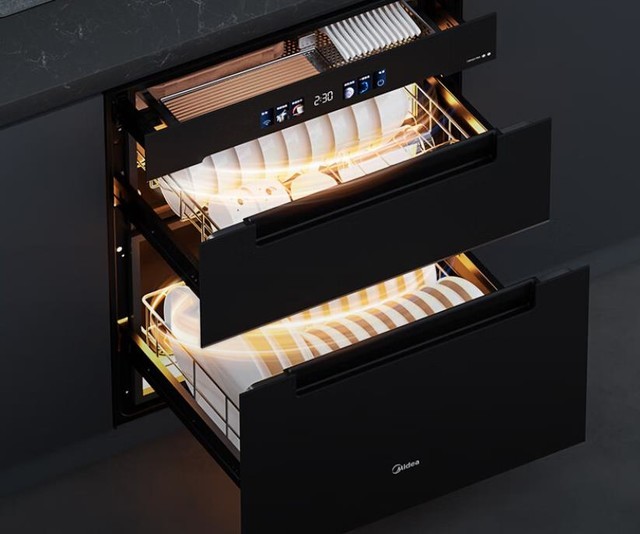
As cross‑border trade continues to grow, many home‑appliance manufacturers are targeting the Australian and New Zealand markets. Intelligent disinfection cabinets, featuring hygienic disinfection and smart controls, are seeing rising overseas orders. Some enterprises complete R&D, samples and mould preparation only to encounter obstacles at the market‑access stage. Australia and New Zealand do not issue standalone product certificates. The RCM mark acts as a unified local compliance identifier and constitutes a mandatory requirement for intelligent disinfection cabinets to go on sale. Unfamiliarity with regulations often delays product launches or results in costly port‑side cargo
Introduction to RCM Certification
RCM is not a single test certificate but a compliance mark developed by Australia and New Zealand that integrates requirements for electrical safety, electromagnetic compatibility (EMC), radio and other compliance domains. As powered home appliances, intelligent disinfection cabinets require evaluation of electrical‑safety performance. Smart components including touch modules, Bluetooth and Wi‑Fi also demand compliance with EMC requirements. After completing required testing and compliance documentation, enterprises may affix the RCM mark to products and outer packaging to demonstrate conformity with local regulations for legal circulation in Australia and New Zealand. Important note: RCM has no official issuing authority and operates under a supplier self‑declaration model. Nevertheless, test reports must be issued by qualified laboratories. Enterprises bear legal liability for recalls and fines should products fail random inspections. Domestic Chinese test reports cannot be reused directly; testing must align with Australian and New Zealand standards.
RCM Certification Process for Intelligent Disinfection Cabinets
The RCM certification process for intelligent disinfection cabinets is straightforward. First, enterprises submit documentation including user manuals, circuit schematics and nameplate information. Product functions are reviewed to define required test items. Second, samples are delivered to accredited laboratories for safety and EMC testing. Radio‑frequency tests are added for Wi‑Fi‑ or Bluetooth‑enabled units. Once tests pass, a full compliance file containing test reports, risk assessments and technical product documentation is compiled to complete self‑declaration. Finally, enterprises produce product nameplates bearing the RCM mark and retain full documentation for regulatory inspection. Where samples fail testing, laboratories provide modification recommendations to accelerate hardware adjustments and minimise rework time.
Core Value of RCM Certification
Primarily, RCM certification grants access to Australian and New Zealand markets, permitting normal customs clearance and supermarket shelf placement and mitigating detention risks. Compliant products inspire greater confidence among overseas buyers and strengthen competitive advantages for order acquisition. Comprehensive testing also identifies electrical and electromagnetic vulnerabilities to optimise product quality and reduce after‑sales failure rates. One set of RCM compliance documentation covers both Australia and New Zealand, eliminating duplicate certification work and cutting testing costs and project timelines. For brands pursuing long‑term growth in Australian and New Zealand markets, RCM certification represents more than an access permit; it forms the foundation for overseas brand reputation building.