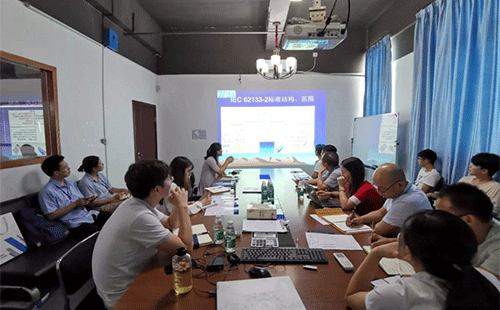
On August 31, 2026, Japan's Ministry of Economy, Trade and Industry (METI) convened a joint meeting of the Product Safety Subcommittee of the Security and Consumer Products Safety Division under the Industrial Structure Council and the Product Safety Department of the Consumer Economy Council. The meeting deliberated and approved "Initiatives on Product Safety" (製品安全に関する取組について), explicitly proposing to upgrade mobile power supplies (power banks) from the current Class B non-specified electrical appliances to Class A specified electrical appliances, with the goal of publishing the ministerial ordinance and public notice in February 2027, enforcing it in March 2027, and setting a transition period of about one year. The plan is still at the draft stage, and the final text of the ordinance published on official Japanese websites shall prevail.
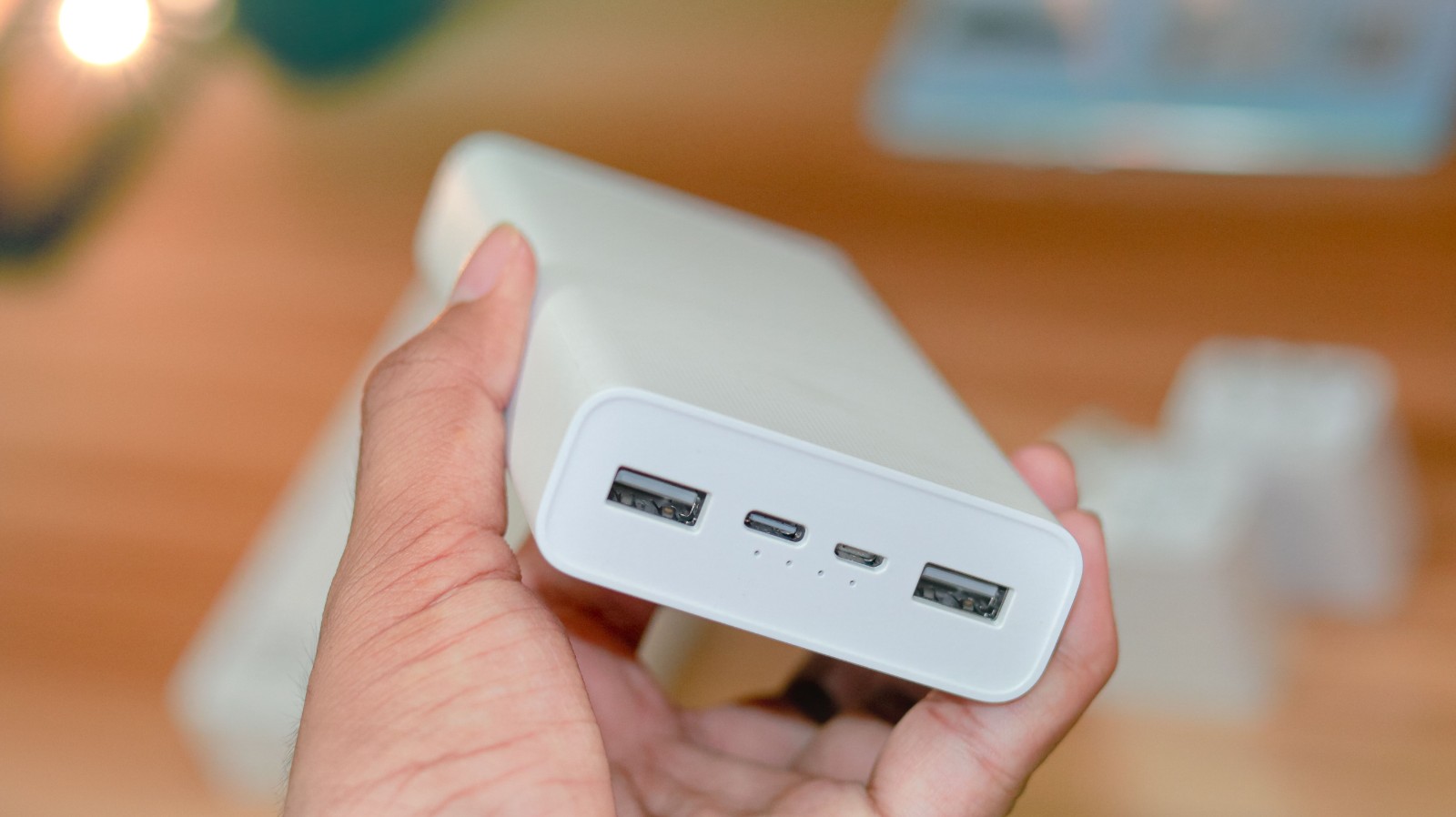
I. Core Content of the Regulatory Revision
This adjustment targets the regulatory category and compliance pathway of power banks under Japan's Electrical Appliances and Materials Safety Act.
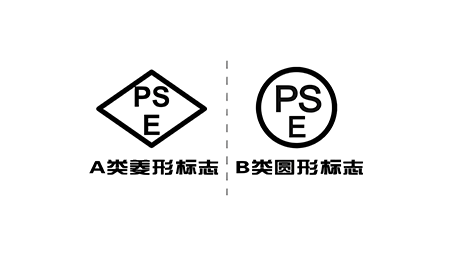
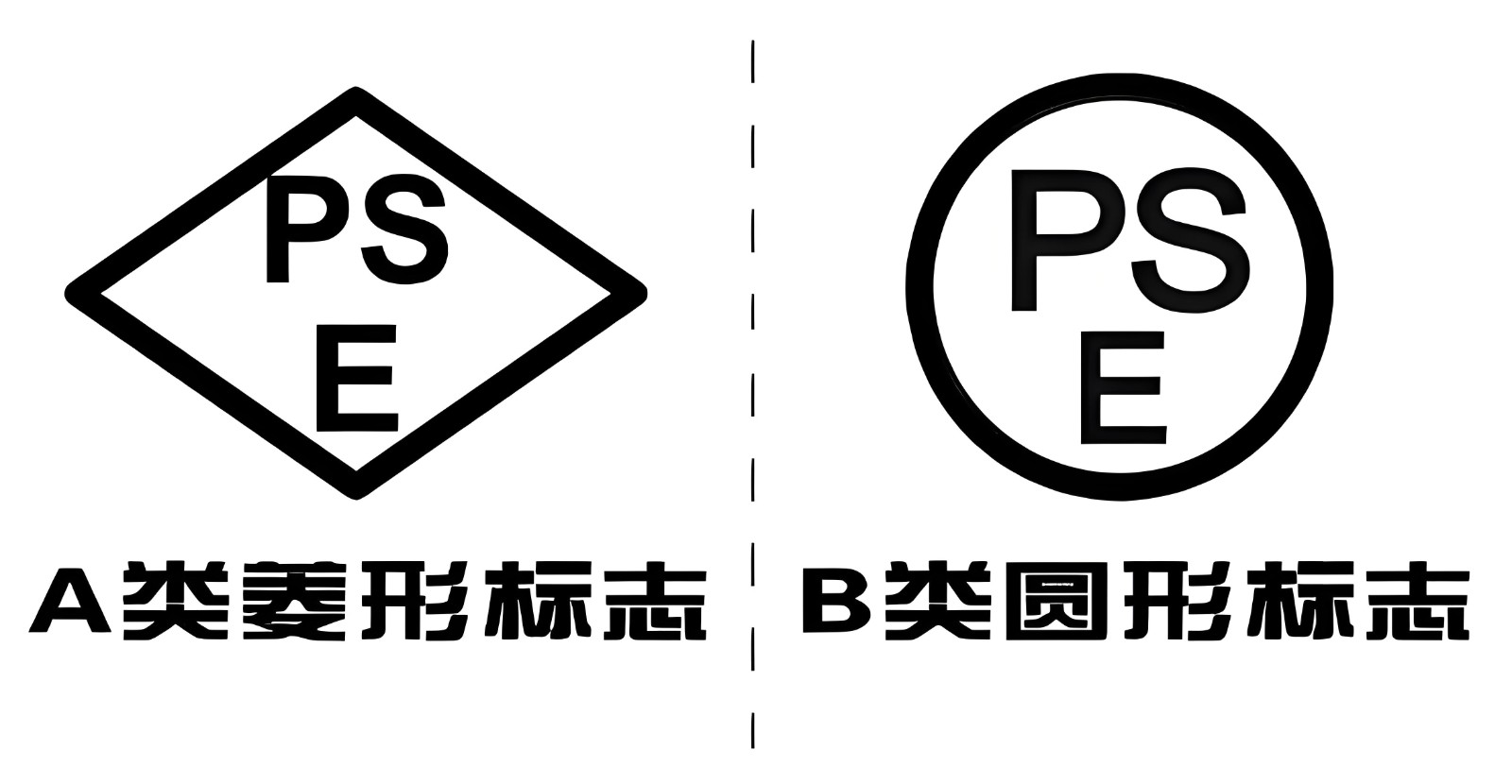
Under the current system, power banks are Class B non-specified electrical appliances. Operators confirm on their own that products meet the technical standards, affix the circular PSE mark and notify METI, after which production, import or sale may proceed.
According to the revision direction confirmed by the council, power banks are to be upgraded to Class A specified electrical appliances, with compliance requirements changing in three respects: first, products must undergo third-party conformity inspection conducted by a government-registered inspection body; second, factory inspections shall be carried out at manufacturing enterprises to verify inspection equipment and quality management systems; third, the product mark changes from circular PSE to diamond PSE. It should be made clear that the above content is a deliberative policy; the ministerial ordinance has not yet been revised, and the specific technical standards and implementing rules remain to be published.
II. Regulatory Drivers for the Revision
(1) The scale of accidents continues to expand. According to NITE (National Institute of Technology and Evaluation) statistics, the number of accident reports for power banks rose from 51 in 2021 to 192 in 2025, nearly a fourfold increase over five years. In August 2026, a power bank caught fire inside a carriage on the Osaka Metro Midosuji Line, interrupting train operations for a period; similar incidents on the Shinkansen and public transport had already occurred multiple times, with significant social impact.
(2) Accidents are attributed to the manufacturing stage. METI analysis shows that manufacturing defects such as electrode winding misalignment and foreign matter contamination are the main causes of accidents; the products involved mostly circulated through online shopping channels. Surveys show that about 80% of enterprises have already implemented cell safety designs on their own, yet the number of accidents continues to rise. Regulators therefore conclude that relying solely on enterprise self-management cannot effectively control risks, and industry-wide mandatory standards must be established.
In summary, this revision reflects two shifts in Japan's regulatory focus: the object of control extends from finished-product inspection to manufacturing processes, and the compliance pathway is upgraded from self-declaration to third-party gatekeeping.
III. Comparison of Old and New System Requirements
The core differences between circular PSE (current) and diamond PSE (proposed revision) are as follows:
Conformity confirmation: under the current system, the operator conducts self-inspection and self-declaration; after the revision, third-party conformity inspection by a registered inspection body is required.
Inspection scope: the current system is limited to whether finished products meet the technical standards; after the revision, factory inspections are added to verify the enterprise's inspection equipment and quality management system.
Process control: the current system has no mandatory production line requirements; after the revision, enterprises must establish foreign matter prevention mechanisms and retain key process parameters and batch traceability records.
Technical standards: building on the original safety requirements, charge-discharge control and cell body safety requirements are strengthened.
The substantive impact on enterprises is that the compliance evidence chain extends from the laboratory to the production floor. Enterprises must systematically establish quality records covering incoming material inspection, key process control and inspection record management. At the same time, certification cycles and costs for third-party inspections and factory inspections are expected to rise, and testing resources will become tighter during concentrated submission periods.
IV. Implementation Timetable
According to the envisioned schedule disclosed in the meeting materials, the stages are as follows:
Time Node | Item | Status |
August 31, 2026 | The council confirms the regulatory revision policy | Completed |
September–November 2026 | The Electrical Appliances Investigation Committee refines technical standards and quality management requirements | Planned |
December 2026 | The Product Safety Subcommittee convenes again to confirm the standard proposal | Planned |
February 2027 | Publish the ministerial ordinance and public notice | Planned |
March 2027 | Formal enforcement; registered inspection bodies begin accepting conformity inspections | Planned |
About one year thereafter | Transition period; full application expected around spring 2028 | Awaiting enforcement |
Important notes: First, the above milestones are planned schedules disclosed in the meeting materials and may be adjusted; second, the widely circulated claim of "mandatory diamond PSE for power banks in 2026" is false information — METI's official FAQ still operates under circular PSE rules, and current regulations remain valid until the new rules take effect; third, the transitional handling of existing circular PSE certificates and inventory on sale has not yet been determined, and blind stockpiling or hasty redesign is not advisable at this stage.
V. Recommendations for Enterprises
(1) Cross-border sellers: review the list of products on sale and identify models planned for continued sales after March 2027; confirm whether they fall within the scope of "specified import business operator" already in force since December 2025, and if so, file notification with METI as required and appoint a domestic manager in Japan; continue tracking the December 2026 meeting materials and subsequent ministerial ordinance developments.
(2) Supply chain factories: manufacturing process control is the verification focus of this revision. Enterprises are advised to use the transition period to improve foreign matter prevention, winding process control, key parameter records and batch traceability systems, thereby consolidating the quality management evidence chain; and to communicate with certification bodies in advance on preparation requirements for factory inspections.
(3) Common recommendations: before the implementing rules are published, maintain the current certification pace, reasonably reserve certification budget and time windows, and avoid the risk of premature decisions.
The essence of this revision is to upgrade power bank safety regulation from "finished-product compliance verification" to full-chain control of "continuous control of manufacturing processes." For enterprises, a higher certification threshold means industry reshuffling: enterprises with sound quality systems will gain competitive advantages, while production capacity with weak compliance capability will face elimination.
We will continue to track METI ministerial ordinance revision developments and provide professional interpretation immediately after the detailed rules are officially issued. If you need to understand PSE testing transition or factory inspection preparation matters, please contact us.