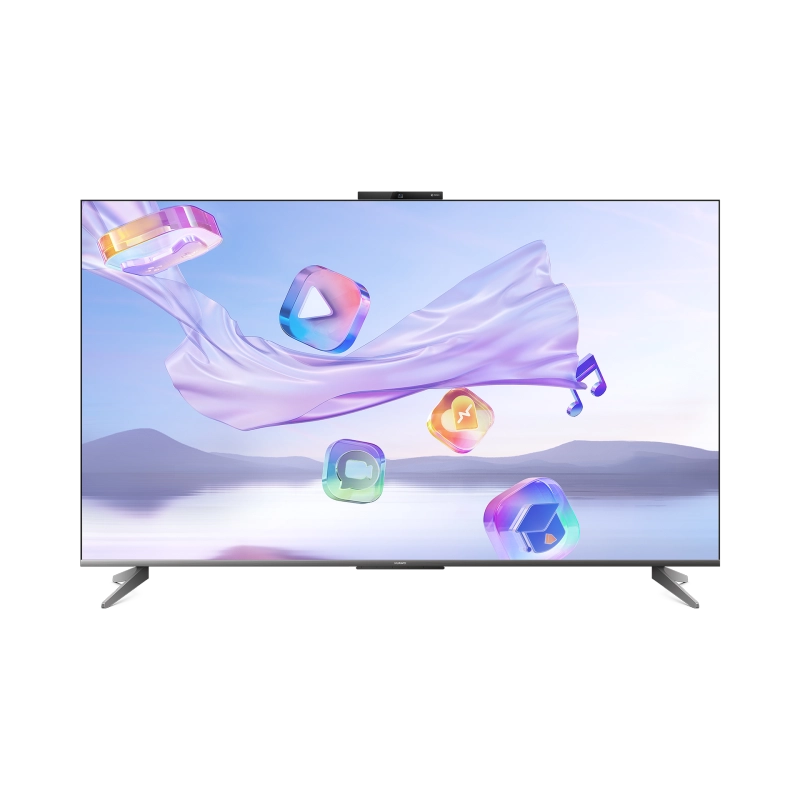
With the continuous expansion of overseas consumer markets, many domestic smart‑screen manufacturers are targeting the Japanese market. Equipped with wireless communication modules supporting Wi‑Fi, Bluetooth and other wireless functions, smart screens require more than sound hardware development for legal sales on Japanese e‑commerce platforms and offline retail channels. Japan enforces mandatory access requirements for radio‑frequency products, and TELEC certification is an unavoidable market threshold. Many enterprises venturing overseas for the first time overlook this certification, resulting in cargo detention at ports and product removals from shelves, and consequently lost business opportunities. This article discusses key points of TELEC certification for smart screens to help enterprises remove barriers for exports to Japan.
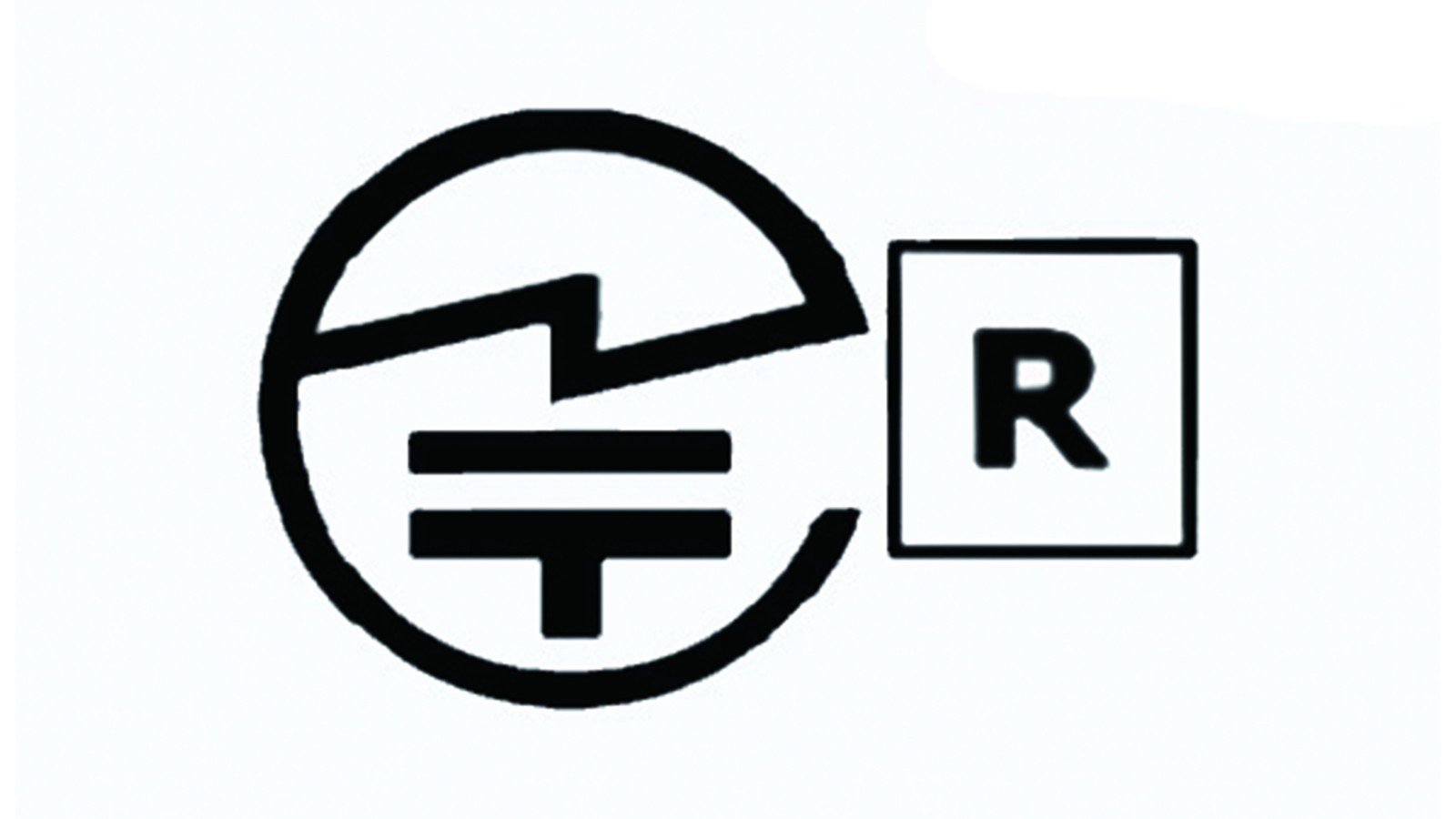
Introduction to TELEC Certification
TELEC certification is Japan’s mandatory certification for radio equipment, regulated by Japan’s Ministry of Internal Affairs and Communications. Any product with built‑in radio‑frequency functions must obtain TELEC certification before entering the Japanese market. Most mainstream smart screens on the market are fitted with Bluetooth and Wi‑Fi wireless modules and thus fall under regulatory scope. Without a TELEC certificate, products cannot clear customs or be distributed and sold within Japan. Unlike certifications in many other regions, TELEC focuses on radio‑frequency performance. It verifies indicators such as transmit power and frequency interference to ensure devices do not disrupt local communication networks during operation.
TELEC Certification Process
The overall TELEC certification process for smart screens is well‑defined. First, enterprises prepare product documentation including schematics, user manuals and prototypes, and confirm specifications of the wireless modules. Next, samples are sent to qualified laboratories for radio‑frequency testing to verify compliance with Japanese standards. Upon successful testing, a locally licensed Japanese agency submits documents for certification review. After review, the TELEC certificate is issued. Products may then bear the corresponding mark for export to Japan. In case of non‑conformity during testing, we can assist with solution adjustment, modification and retesting to reduce repeated trial‑and‑error costs for enterprises.
Core Value of TELEC Certification
The most direct value of obtaining TELEC certification is securing market access to Japan, enabling smart screens to clear customs legally and be sold both online and offline while avoiding risks such as cargo detention and product recalls. Furthermore, certification serves as proof of product competence, boosting trust among Japanese channel partners and consumers and facilitating local order acquisition. Advance certification planning allows enterprises to seize market windows and shorten time‑to‑market. Professional agency support also helps enterprises avoid hidden pitfalls related to standard updates and document preparation, saving time and capital costs and ensuring steady progress of smart‑screen export projects targeting Japan.