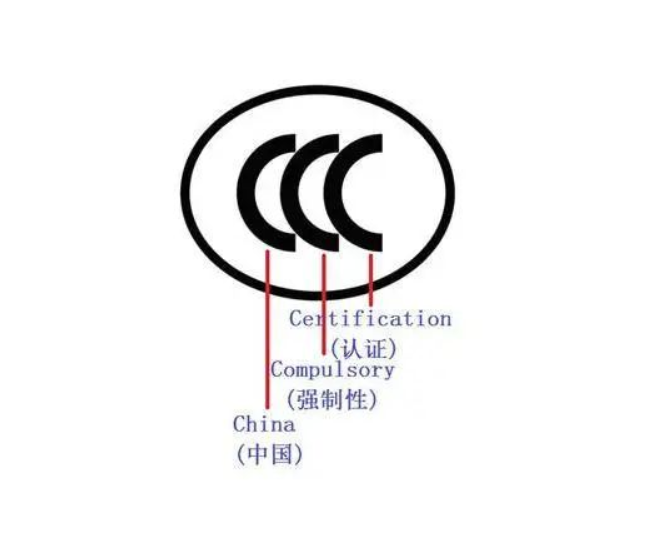
The consumer‑grade TWS Bluetooth earbud market continues to boom. Many brands devote their efforts to appearance design, sound‑quality tuning and noise‑reduction feature upgrades, yet tend to overlook compliance requirements for batteries, a core component. Quite a few manufacturers finish the R&D of complete earbud units and prepare to launch products on e‑commerce platforms and offline channels, only to find their products cannot circulate in the market due to missing 3C certification for batteries, which seriously delays new‑product launch schedules. There is a widespread misconception that once the complete earbud obtains certification, its built‑in battery is automatically compliant. In fact, lithium‑ion batteries used in TWS earbuds fall under mandatory regulatory control, and the battery itself must obtain CCC certification without exception.
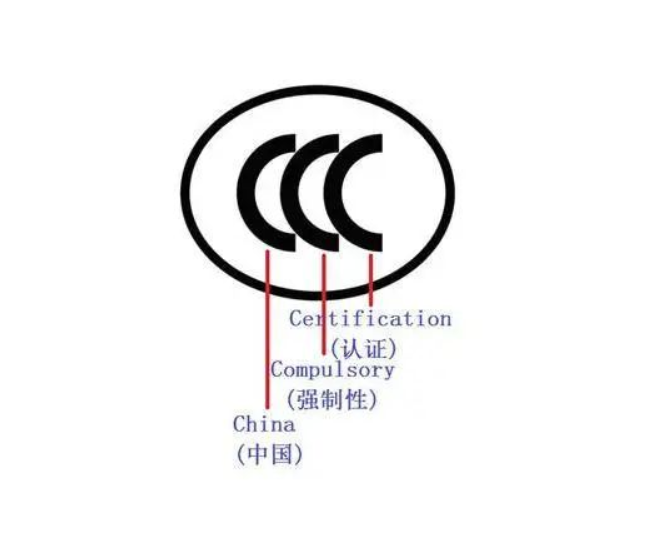
What Is CCC Certification for TWS Earbud Batteries
CCC (China Compulsory Certification) is China’s mandatory market‑access system. Lithium‑ion batteries built into TWS Bluetooth earbuds are included in the CCC certification catalogue. Even if batteries are outsourced components, earbud manufacturers must confirm that the batteries hold valid CCC certificates. Certification for the complete earbud unit cannot replace battery certification.
This certification essentially verifies battery safety performance, focusing on identifying fire‑risk hazards such as short circuits, overheating and abnormal charge‑discharge. Without valid CCC certificates for batteries, earbud products fitted with such batteries cannot be listed on major e‑commerce platforms or accepted by offline supermarkets. Businesses may also face risks including cargo seizure and administrative penalties.
CCC Certification Process for TWS Earbud Batteries
The complete certification workflow is straightforward, and enterprises may engage service providers to reduce trial‑and‑error costs. First, prepare basic documentation including battery specifications and design drawings, and get ready corresponding test samples. Next, send samples to qualified laboratories for safety‑item testing. Once all sample tests pass, submit full application documents to certification bodies. Afterwards, arrange an on‑site factory audit to verify production‑control capabilities. Formal CCC certificates will be issued upon approval of all procedures. After obtaining certificates, enterprises must complete annual surveillance audits to keep certificates valid.
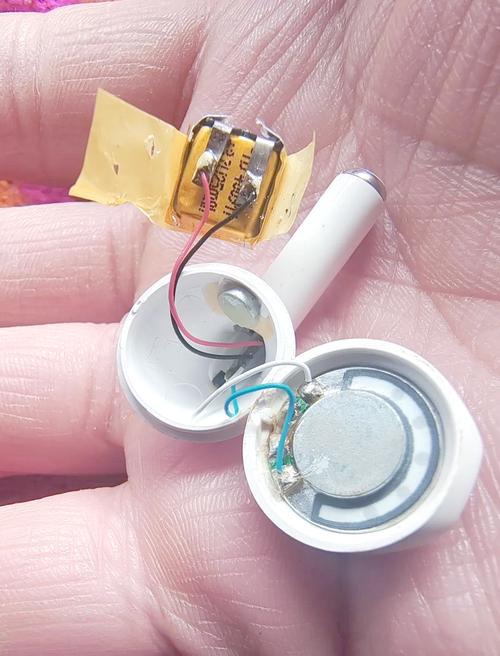
Core Values of CCC Certification
First, unlock sales channels. CCC certificates serve as hard requirements for both online and offline channels. Only with valid certificates can products be distributed and sold smoothly, avoiding losses caused by product delisting and cargo seizure.
Second, mitigate brand risks. Certified batteries undergo verified safety performance, cutting down after‑sales disputes stemming from battery failures and preventing brand public‑relations crises triggered by fire incidents.
Third, boost market competitiveness. Compliance strengthens trust from purchasers and consumers, giving products an edge among competing earbud products.
Fourth, cut project costs. Completing battery certification in advance prevents compliance defects from being discovered close to mass production, avoiding extra losses caused by project delays.