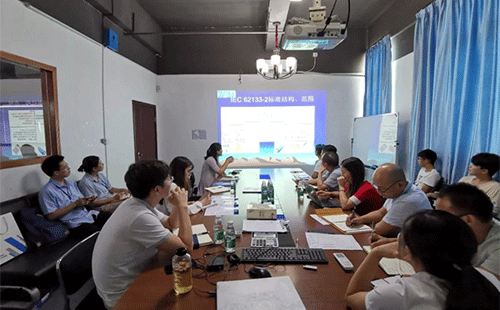
With the continuous expansion of the global consumer electronics, portable energy storage and smart home markets, polymer batteries have become core supporting components due to their lightweight and high energy density characteristics, and their overseas demand continues to rise. However, safety access standards vary across national markets. If enterprises apply for local certifications one by one, they will not only incur repeated test costs, but also prolong the product launch cycle and miss market windows. Against this background, CB certification has become an efficient solution for polymer battery enterprises to access the global market. With the advantage of one test and mutual recognition by multiple countries, it has become a compliance standard for overseas enterprises.

Introduction to CB Certification
The CB scheme is a global safety certification mutual recognition network established by the IECEE (International Commission on the Rules for the Conformity Assessment of Electrical Equipment), covering more than 50 major economies worldwide. Polymer batteries are a key category covered by the CB scheme. Certification testing is conducted based on IEC international safety standards, and the final CB test certificate and report can be directly recognized by certification bodies of all member countries.
Different from single-country certifications, the core value of CB certification lies in the "certification conversion mechanism" – after obtaining the CB certificate, enterprises can quickly convert it into local certifications of target markets, such as EU CE, South Korea KC, Japan PSE, Australia SAA, etc., without repeated product testing. It is equivalent to obtaining a global market access ticket with the cost of one certification.
Application Process for CB Certification
The processing of CB certification for polymer batteries can be divided into four core stages.
First is the pre-preparation stage. Enterprises need to sort out materials such as product technical parameters, model difference descriptions, circuit schematics, and key component lists, and prepare test samples that meet requirements.
Second is the testing stage. Samples will complete a full set of safety tests in an IECEE-recognized laboratory, covering multiple dimensions such as electrical performance, mechanical strength, environmental adaptability and flame retardancy
After passing the tests, it enters the audit and certification stage. The certification body reviews the test report and technical documents, and issues the CB certificate and test report after confirmation.
Finally is the conversion service stage. If enterprises need to enter specific national markets, they can submit a conversion application to local certification bodies with the CB report, and quickly obtain the target country’s certification certificate, greatly shortening the compliance cycle.
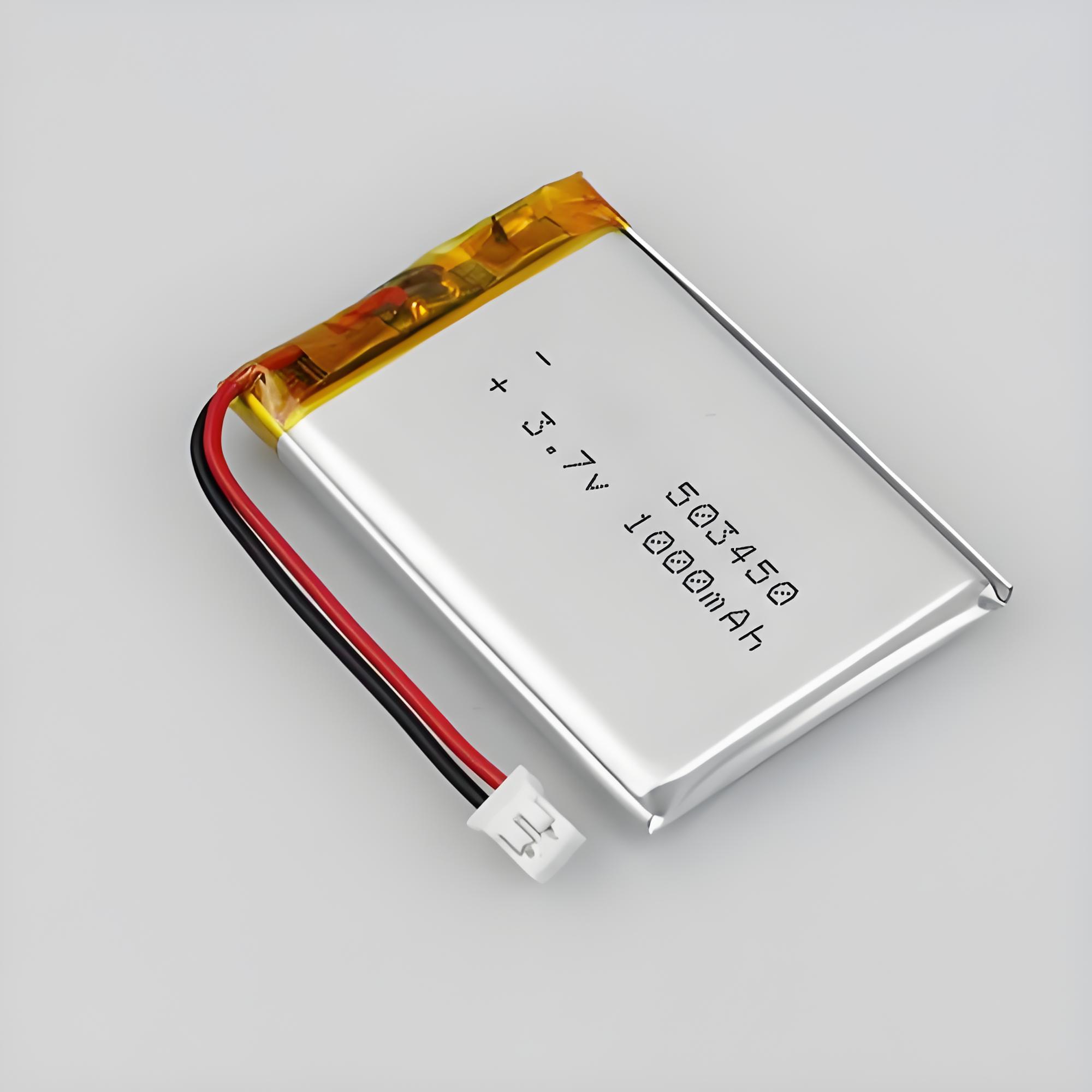
Core Value of CB Certification
For polymer battery enterprises, the value of CB certification goes far beyond compliance itself.
First, cost reduction and efficiency improvement. One test covers the access requirements of multiple countries, avoiding the time and capital costs caused by repeated testing, and the overall certification cost can be reduced by more than 40%.
Second, faster market entry. The conversion model can shorten the processing cycle of national certifications by nearly half, helping products launch in overseas markets first and seize sales opportunities.
Third, enhanced brand trust. As a globally recognized safety authority endorsement, CB certification can significantly improve the recognition of products by overseas purchasers and distributors, and enhance enterprises’ competitiveness in the international market.
Fourth, compliance risk mitigation. Products holding CB certificates can greatly reduce risks such as customs clearance obstruction, unqualified market sampling, and product recall, building a solid compliance foundation for long-term overseas operations.
As global battery regulation tightens, early deployment of CB certification has become an inevitable choice for polymer battery enterprises going global. Professional certification service institutions can provide full-process support from document guidance, sample testing to certificate conversion, helping enterprises efficiently obtain certificates and smoothly explore the global market.