The demand for portable power banks in Japan continues to grow, but the local regulation of electrical products safety is not lenient. If a charger fails to obtain PSE certification and affix the label as required, it may face customs detention, platform removal, channel rejection, even recall and fines. To achieve stable shipments in the Japanese market, PSE is not an add-on but the first threshold for product compliance.
I. What is Charger PSE Certification
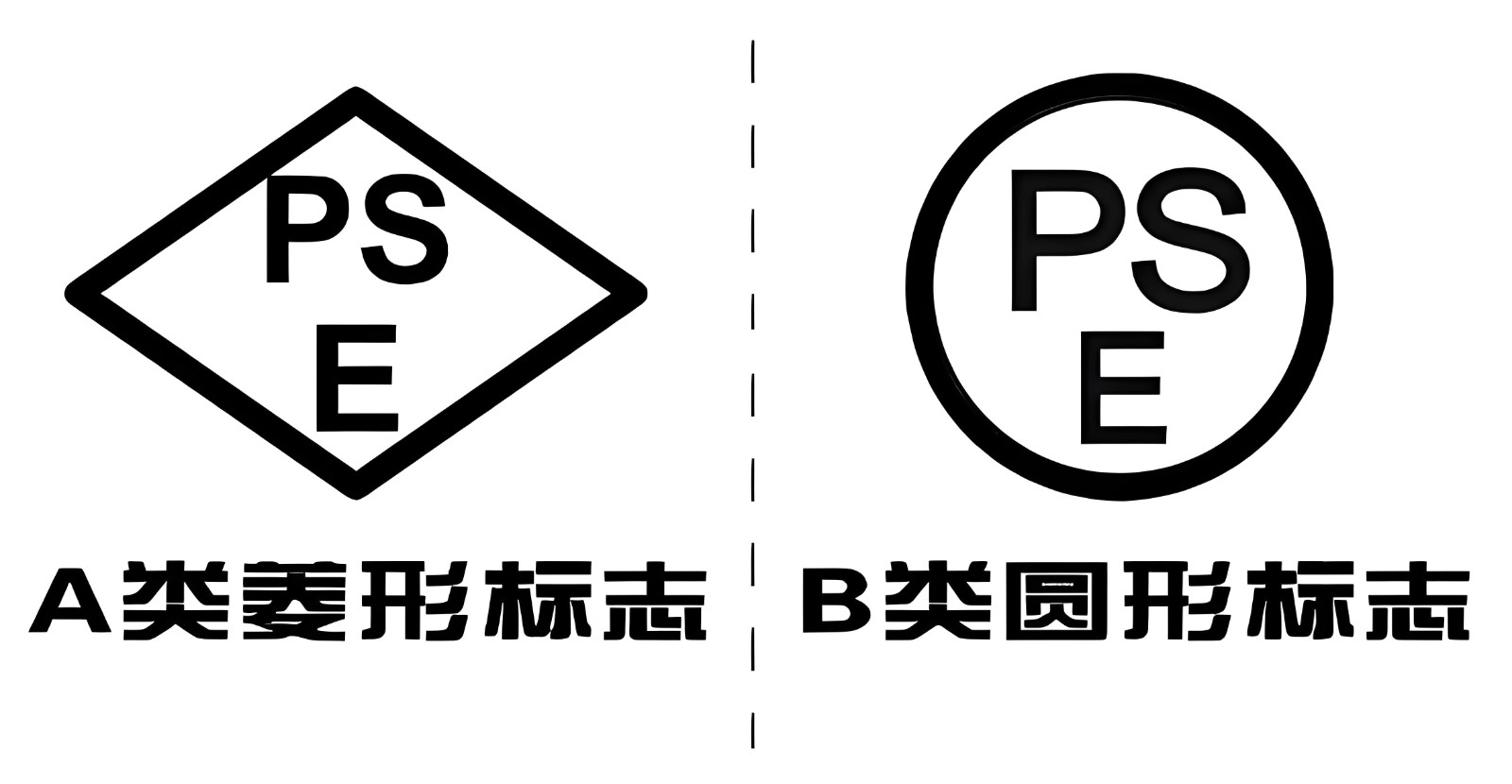
PSE originated from Japan's "Electrical Products Safety Law" and is a safety certification system that electrical products need to meet before entering the Japanese market. The labels are mainly divided into two types: the rhombus-shaped PSE is for specific electrical products, usually requiring third-party certification; the circular PSE is for products other than specific electrical products, and chargers usually follow the requirements for lithium-ion batteries and portable power sources, commonly being circular PSE. If the product includes adapters, power cords, etc., it may also involve the rhombus-shaped PSE for corresponding components. The key to certification is not just "stick a label", but to prove that the product has stable and safe performance under overcharging, over-discharging, short circuit, temperature rise, drop, abnormal protection, etc., and complies with relevant Japanese technical standards and marking requirements.
II. Charger PSE Certification Process
1. Confirm classification and standards: Based on the product structure, battery cells, output method, whether it has wireless charging, etc., determine the range of circular or rhombus and applicable testing standards.
2. Prepare materials: Application form, specification sheet, circuit diagram, PCB BOM, battery cell specifications and certificates, manual, nameplate label, difference explanation, etc.
3. Sample submission for testing: Submit representative samples to a qualified laboratory and conduct tests according to Japanese standards for batteries, protection circuits, temperature rise, short circuit, overcharging and overdischarging, mechanical impact, etc.
4. Rectification and re-testing: If there are non-conformities, engineers will assist in analysis and rectification to reduce the cost of repeated testing.
5. Issue report or certificate: After passing the test, obtain the PSE test report or certification certificate.
6. Marking and filing: According to regulations, affix the PSE label and necessary information, cooperate with Japanese importers to complete METI-related declarations, prepare customs clearance and platform review documents.
7. Continuous compliance: If the battery cells, circuits, structure, or key suppliers change, assess whether additional testing or updates are needed.
III. Core Value of Certification
First, enter the market in compliance. PSE is a frequently checked document for customs clearance, listing, and channel procurement in Japan, which can reduce the risk of detention and removal. Second, enhance trust. The PSE label enables consumers and purchasers to establish a sense of security more quickly, converting into more confidence. Third, reduce risks. System testing can detect potential overheating, short circuits, etc., in advance, reducing after-sales, recall, and claims. Fourth, open channels. Japanese e-commerce, supermarkets, gift, and enterprise procurement are more willing to accept products with certification. Fifth, form a barrier. The earlier the certification is completed, the earlier the opportunity to seize compliance is, and competitors can't enter first.
For charger manufacturers, PSE certification is not just a cost but a pass to the Japanese market. If you are preparing for shipment, listing, or bidding, it is recommended to confirm product classification, prepare materials, and arrange testing as soon as possible. We can provide one-stop support from prediction, sample submission, rectification to marking review, allowing certification to go smoothly and enabling products to comply with Japanese market regulations more quickly.