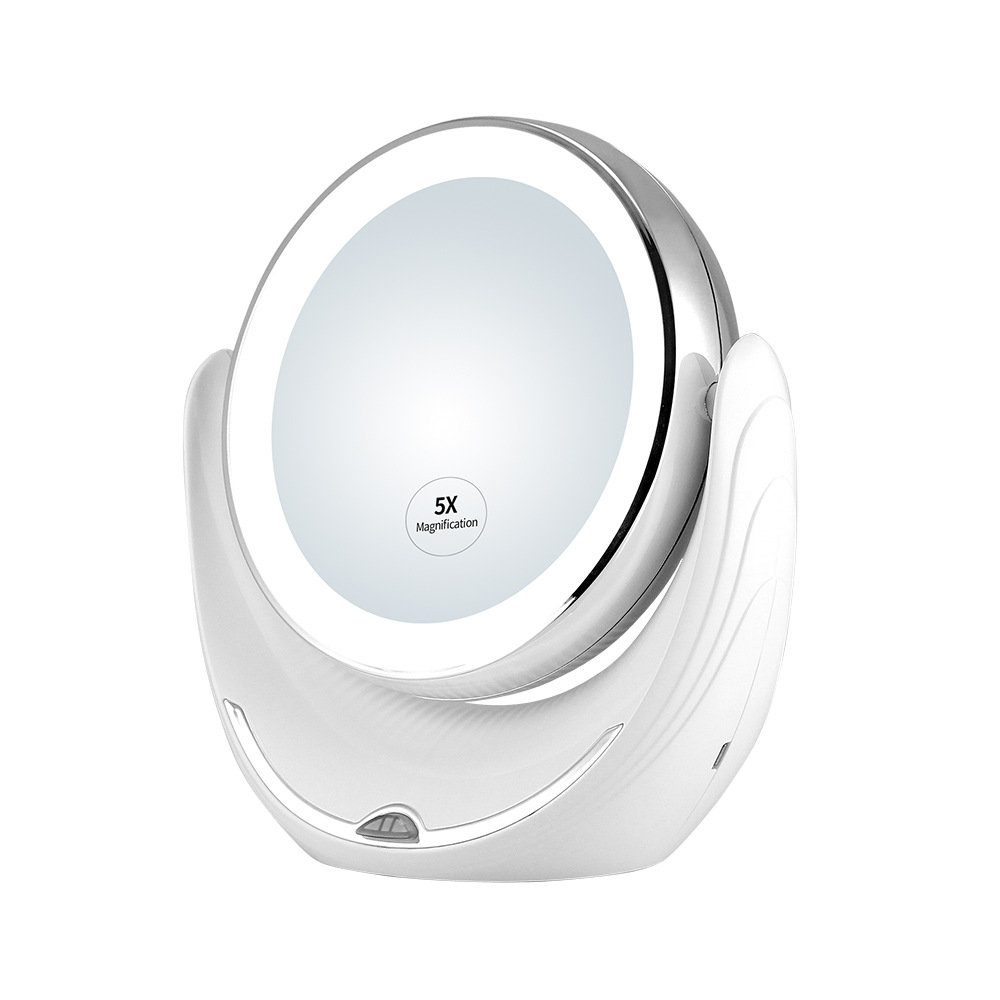
The makeup mirror appears as a small beauty accessory, but when it reaches the export stage, the battery is often the part that the Korean purchasing party asks about first. Especially for makeup mirrors with charging, battery life, and portability features, the safety compliance of the built-in lithium battery directly affects customs clearance, platform listing, and customer acceptance. The KC certification is precisely a safety threshold established for the Korean market access. Understanding it in advance saves more time than waiting for samples to be returned and materials to be repeatedly submitted.
Introduction to KC Certification
KC certification is an important identifier in the Korean product safety compliance system. For the battery used in makeup mirrors, it is usually necessary to combine the battery type, capacity, cell structure, protection circuit, and end-use to determine the applicable certification mode and testing standards. Commonly, it involves lithium battery safety-related requirements. It is not a "decorative certificate" but a proof to Korean importers, distributors, and consumers that the product has undergone corresponding evaluations in terms of electrical, thermal safety, and identification information. Specific standards, certification types, and label requirements should be in accordance with the latest Korean regulations and the assessment of designated institutions.
The Process for Applying for KC Certification for Makeup Mirror Batteries
Breaking down the process will make the thinking clearer. The first step is the preliminary assessment: confirming the specifications of the cell and battery pack, protection board scheme, and end-product information, and determining the testing items and certification path. The second step is the preparation of materials: specification sheets, application forms, key component lists, circuit and structure information, label drafts, etc. The more complete the materials, the smoother the communication. The third step is sample testing: conducting safety project verification according to applicable standards. If there are non-compliance items, adjustments need to be made based on design or materials. The fourth step is factory inspection or subsequent review (if applicable), confirming the consistency of mass production. The fifth step is issuing the certificate and using the label, and managing changes. If the battery, key components, or structure change, do not forget to report and maintain subsequently.
Core Value of KC Certification
The significance of obtaining KC certification goes beyond the certificate itself. It is an important compliance document for entering the Korean market, and can also help products more smoothly connect with importers, e-commerce platforms, and offline channels. For the purchasing party, KC certification reduces selection risks and provides a basis for "whether it can be sold and whether it is willing to sell". For the brand, the certification can also force battery design, data management, and label standardization, reducing the cost of returns and communication due to inconsistent information. Makeup mirror batteries are not large in size, but if the compliance is done well, they often add trust points beyond the price.
If the product is planning to enter the Korean market, it is recommended to conduct a specification assessment as soon as possible, and schedule testing, materials, and mass production milestones in your schedule. KC certification is not a last-minute patch, but a stable step worth taking before makeup mirror batteries enter the Korean channel.