The popularity of battery groups has moved beyond the need for the word "explosive". However, in the hot market, the most feared thing is not competition, but products being barred from the market due to non-compliance before they even get to the stage of being launched. For lithium-ion batteries and battery groups, mobile power supplies, etc., CCC certification is not a choice question that can be done or not done, but a hard threshold for entering the domestic market. Understanding and obtaining the certificate early on, and handling it promptly, can turn the certificate into orders rather than a rectification notice.
I. What Does Battery Group CCC Certification Verify?
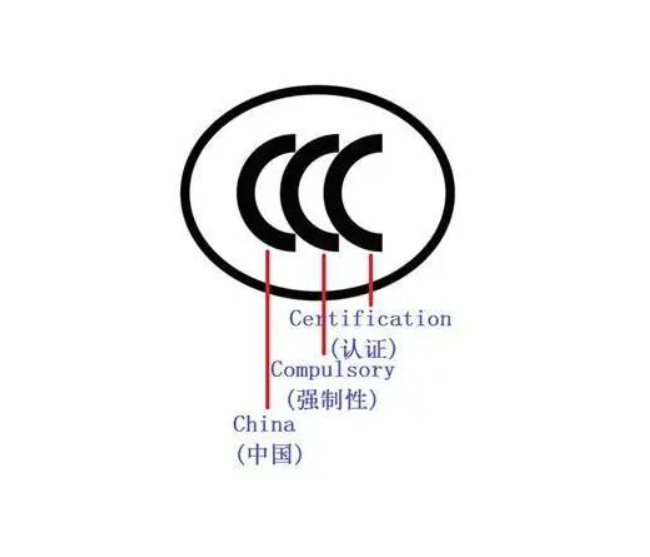
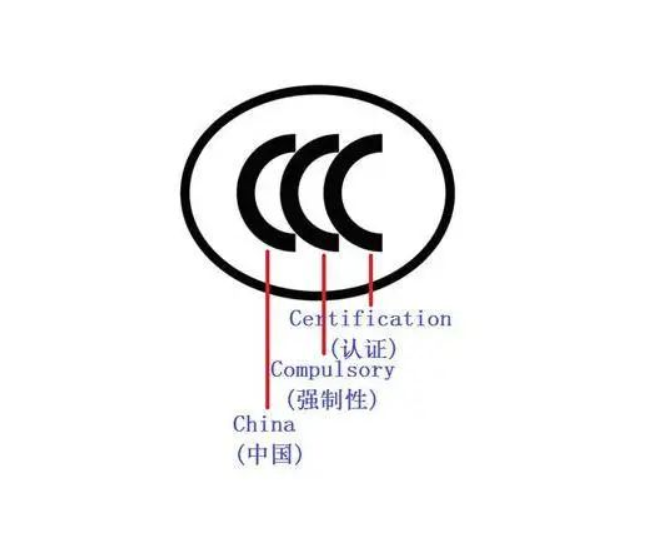
CCC stands for China Compulsory Product Certification. It is not about whether the product "sells well", but whether the product "can be sold safely and compliantly". Battery Group CCC Certification will cover dimensions such as safety, electromagnetic compatibility, marking standards, consistency of key components, etc., and will examine the cells, BMS, protection circuits, structural design, and product labels. Put simply, it is like a "full-body check-up" for mass-produced products: small problems that are not noticeable in daily life may be magnified on the test bench.
According to relevant regulations, lithium-ion batteries and battery groups, mobile power supplies have been included in CCC certification management. Products without a certification certificate and marked with the certification logo are not allowed to be manufactured, sold, imported, or used in other business activities. In other words, without this certificate, e-commerce platforms, supermarket channels, bidding projects, etc., may say "no" to you at any time.
II. How to Go Through the Certification Process?
The first step is application and acceptance. Enterprises submit applications to designated certification institutions and prepare product descriptions, specifications, key component lists, business licenses, etc. The clearer the materials, the smoother the subsequent process.
The second step is data review and unit division. The institution will confirm product units, applicable standards, testing items, and avoid omissions or repetitions.
The third step is sample submission for testing. Samples are sent to the laboratory according to the rules for tests such as overcharge, overdischarge, short circuit, thermal abuse, compression, vibration, drop, temperature cycling, etc. This stage tests the product the most and requires early anticipation and rectification.
The fourth step is factory inspection. When required by the certification rules, it will verify the enterprise's quality assurance capabilities and product consistency to ensure that the submitted samples are "originally sourced" from the mass-produced products.
The fifth step is certification decision and issuance. After the review is passed, the enterprise obtains the CCC certificate, and the product can be marked with the CCC logo as required.
The sixth step is post-certification supervision. Obtaining the certificate is not the end; regular supervision and sampling tests are needed to keep the certificate valid.
If enterprises are not familiar with the process, they can entrust professional service agencies to assist, which often helps them avoid detours: how to organize the materials, how to send the samples, how to modify the problems, all are handled by someone for you to control the rhythm.

III. Where Does the Core Value of Certification Lie?
First, compliance passage. Legally manufacturing, selling, importing, avoiding risks such as delisting, fines, and recalls.
Second, channel access. E-commerce entry, supermarket procurement, government procurement, bidding projects, etc., CCC is often the basic threshold.
Third, trust endorsement. Consumers may not understand the technology, but they recognize the CCC logo. The certificate can reduce the selection cost and increase the probability of transaction.
Fourth, risk firewall. Testing is not a hindrance, but an early exposure of hidden dangers, reducing batch accidents and after-sales disasters.
Fifth, brand premium. Enterprises with certificates are more likely to enter the supply chain of major customers and have more bargaining power.
Sixth, management upgrade. The certification process will force the supply chain, quality control, marking, and traceability systems to become standardized.
The battery group market does not wait for those in slow motion. CCC certification is not buying a piece of paper for money, but buying market opportunities, channel trust, and risk control. Applying early, testing early, obtaining the certificate early, can get products on the shelves earlier, win bids earlier, and win customers earlier. Now, review the product line and collaborate with professional teams to make this certificate a booster for your next round of growth.