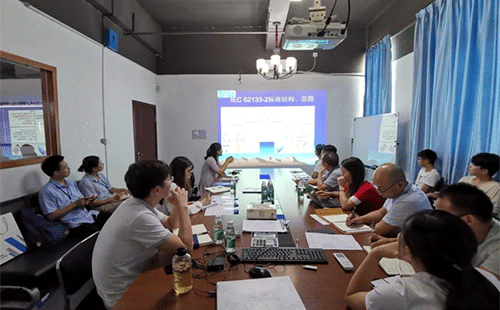
Driven by growing demand in energy‑storage and portable‑power‑supply scenarios, China’s lithium‑iron‑phosphate (LFP) battery industry keeps expanding. Many manufacturers are targeting the vast overseas market. Nevertheless, market‑access rules vary across jurisdictions. A great number of enterprises encounter practical setbacks such as failed customs clearance upon cargo arrival, disqualified bidding qualifications and product returns. Faced with complicated overseas‑access requirements, CB certification under the IECEE‑CB System becomes a vital solution for LFP‑battery manufacturers.

Why Do LFP Batteries Need CB Certification?
The IECEE‑CB System is a mutual‑recognition framework established by the International Electrotechnical Commission (IEC) for safety certification of electrical and electronic products. For LFP batteries, CB certification conducts product‑safety testing against unified international standards. Issued CB certificates and test reports are mutually recognized by dozens of member economies worldwide.
It should be clarified that a CB certificate is not a direct market‑access permit for any single country. Instead, it functions as a universal “competency verification document”. After obtaining CB certificates for LFP batteries, enterprises may use these reports to apply for local certification in target countries, instead of completing a full set of repeated tests for every new market. Mainstream product categories including household energy‑storage batteries and modular LFP batteries are eligible for CB certification.
CB Certification Application Process
The application workflow for LFP‑battery CB certification is clear and can be implemented systematically. First, complete preliminary preparation: collate product specifications and structural documentation, prepare test prototypes and check product alignment against applicable standards. Second, submit applications alongside complete documents and test samples to qualified certification bodies. Then samples undergo laboratory testing covering multiple safety indicators for LFP batteries. Once all sample tests are passed, certification bodies issue CB test reports and CB certificates. In case of test failures, bodies provide rectification guidance, and enterprises adjust products for retesting. Afterwards, enterprises can convert CB certificates into local‑market certification when entering specific overseas jurisdictions.
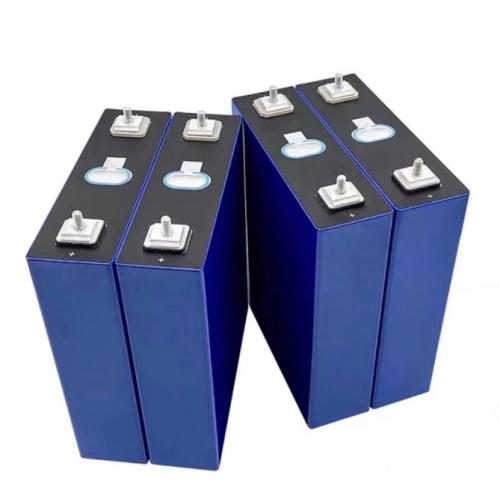
Core Values of CB Certification
CB certification brings tangible benefits for LFP‑battery enterprises engaged in foreign trade.
First, save time and R&D costs. It eliminates duplicate testing across multiple countries, reduces prototype consumption and shortens project cycles.
Second, mitigate overseas‑business risks. Potential product‑safety defects are identified in advance to prevent losses such as overseas cargo detention and product recalls.
Third, improve business competitiveness. Many overseas purchasers and project tenders set CB certificates as a basic qualification threshold; holding such certificates helps win customer trust.
Fourth, expand market access. Leveraging the CB mutual‑recognition system, enterprises can conveniently convert CB results to national‑level certifications and rapidly scale overseas sales.
For LFP‑battery enterprises aiming to deepen their footprint in foreign‑trade markets, arranging CB certification at an early stage is a pragmatic strategy to seize overseas‑market opportunities.