Center Certification & Testing International
Against the backdrop of booming global trade, lithium batteries — the \"heart\" of the new energy era — are shipped worldwide in massive volumes. Nevertheless, many enterprises face setbacks at the logistics stage when exporting their goods: cargo detained by customs, rejected shipments by airlines, or even hefty fines and product returns. The root cause is usually the absence of a critical transport credential: UN38.3 Certification.
Amid the global new energy boom, lithium batteries have become the core power source driving smart devices and green mobility. However, when enterprises are ready to launch their products overseas, they often hit a wall due to complicated safety certification barriers set by various countries. How can these trade barriers be broken to safely and efficiently bring products to global markets? The answer lies in CB Certification.

All manufacturers and foreign trade partners exporting to Saudi Arabia take note: The Saudi Standards, Metrology and Quality Organization (SASO) has completed a full digital system upgrade. The long-standing legacy JEEM and IECEE submission channels have been permanently decommissioned, and the Maneh platform is now the sole official entry point for Saudi market access applications.

Chemical supervision in the UK has been drastically tightened after Brexit. In 2026, the UK Health and Safety Executive (HSE) issued multiple new SVHC control regulations. In June, 15 new substances were added to the UK REACH Candidate List, followed by a public consultation on 9 additional substances launched in July. The UK’s post-Brexit new regulatory strategy has been fully rolled out, with frequent list updates becoming routine. Manufacturers and suppliers exporting electronics, textiles, coatings, daily chemicals, lithium batteries and other goods to the UK must attach great importance to compliance risks.
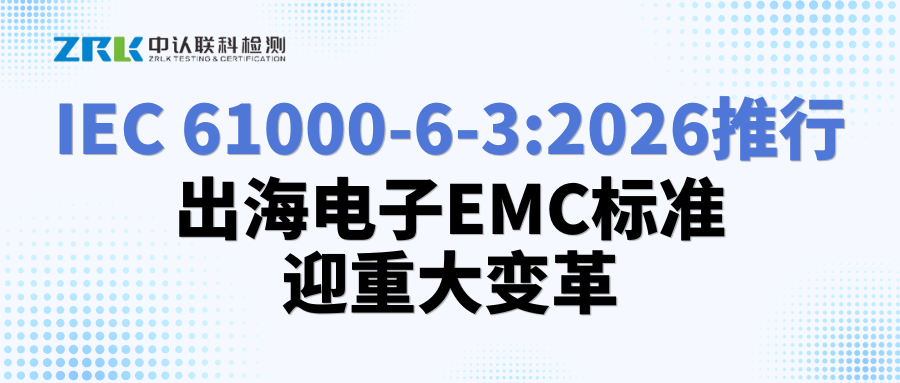
On April 7, 2026, the International Electrotechnical Commission (IEC) officially released the updated standard IEC 61000-6-3:2026, fully replacing the 2020 version. It has become the core compliance basis for EU CE certification and global market access of civilian electronic devices. With the large-scale overseas export of wireless charging, variable-frequency power supplies and IoT smart devices, many manufacturers have recently failed laboratory testing frequently, mainly due to multiple new mandatory test clauses added in this revised standard.
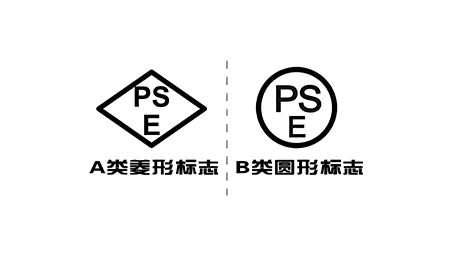
The Japanese market is a high-priority target for cross-border sellers thanks to high unit prices and loyal consumer groups. The boom in self-driving travel has sent demand soaring for vehicle power supplies and inverters in Japan. Nevertheless, many merchants suffer major setbacks when cargo arrives at ports due to missing PSE certification. Uncertified shipments face customs detention and massive fines. This article breaks down how PSE certification transforms from a compliance burden into your product’s core competitive edge.
Want your phone chargers to circulate freely across Europe? CE certification is an indispensable market passport. As the mandatory entry threshold for EU-bound chargers, CE (Conformité Européenne) certification verifies compliance with EU safety and environmental regulations and acts as a trust credential. Products without CE marking are banned from European sales and subject to fines and delisting. Simply put, CE certification is a must for exporting goods to Europe.

Have you ever encountered adapters detained at customs or overseas order returns due to certification issues? For laptop adapter manufacturers, such incidents can instantly collapse painstakingly developed international markets. The solution lies in CB certification, your passport to unimpeded global trade.
Learn the latest exciting content

Tik Tok