With the advantages of efficient energy storage and light weight, lithium-ion batteries are widely used in smartphones, laptops, electric vehicles and other fields. However, due to their chemical characteristics, they are prone to safety hazards in international transportation. Obtaining UN38.3 certification has become a mandatory prerequisite for their safe transportation and overseas circulation.
I. Why Must UN38.3 Certification Be Applied for?
UN38.3 certification is a global mandatory testing standard for the transportation safety of lithium-ion batteries formulated by the United Nations, whose core is to verify the safety of batteries under extreme transportation conditions. Its necessity mainly lies in two aspects: first, compliance threshold - batteries without this certification will be rejected by logistics carriers and detained by customs, unable to complete cross-border circulation, and it has been recognized by global authoritative institutions as a core basis for customs verification; second, enterprise demand - the certification can identify potential product safety hazards, and its certificate serves as an authoritative endorsement, helping enterprises gain the trust of international customers and enhance market competitiveness.
II. Required Materials List
The completeness of materials directly affects certification efficiency. The core required materials are as follows:
Entrusted Testing Application Form: Fill in basic enterprise and customer information in accordance with the template to ensure accuracy;
Product Specifications: Mark core parameters such as battery capacity, voltage and model, which must be consistent with the submitted samples;
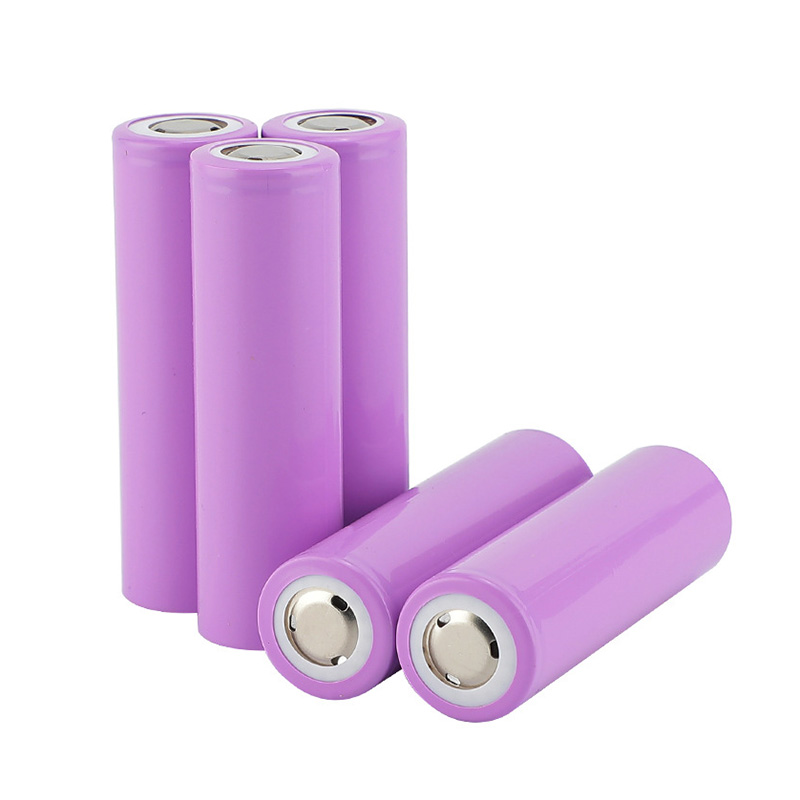
Lithium Battery Samples: Generally 30 cells and 18 batteries are required, the specific quantity is subject to the requirements of the certification body. Samples must be in mass production state with clear nameplate information.
III. 5 Standardized Application Procedures
UN38.3 certification must be handled through a third-party institution with relevant qualifications, and the streamlined process is as follows:
Select a compliant institution: Prioritize institutions with qualifications and similar cases to avoid invalid reports;
Submit materials and pay fees: Submit the application form, specifications and samples, and start the process after payment;
Sample testing: The institution conducts 8 mandatory tests in accordance with standards, and unqualified products need rectification and retesting;
Report review: Review the compliance of the report after testing is completed;
Certificate issuance: Obtain the certificate after passing the review. The certificate is valid for 5 years, and re-certification is required for product changes.
IV. 4 Core Values
Obtaining UN38.3 certification is crucial for enterprises to go overseas:
Open transportation channels: Ensure products comply with international regulations and avoid losses such as detention and fines;
Enhance competitiveness: The certification certificate demonstrates product quality and helps win customer trust;
Reduce transportation risks: Minimize losses caused by battery safety accidents;
Meet customer needs: Meet the requirements of international buyers and expand global cooperation space.
UN38.3 certification is an essential guarantee for the overseas transportation of lithium-ion batteries. Enterprises need to be familiar with the requirements in advance and prepare standardized materials to obtain certificates efficiently and smoothly expand overseas markets.