3D printing technology is now widely adopted in education training, industrial manufacturing, cultural and creative customization and many other sectors, driving soaring industry demand amid fierce market competition. As industry standardization advances, market supervision systems grow more rigorous, and tighter controls are imposed on the sale of 3D printing equipment. Currently, 3D printers without valid 3C certification cannot be listed for sale or participate in project bidding, while enterprises may face product delisting and administrative penalties. For manufacturers and sellers of 3D printers, securing 3C certification is no longer an optional bonus but a mandatory prerequisite to operate in the domestic market.
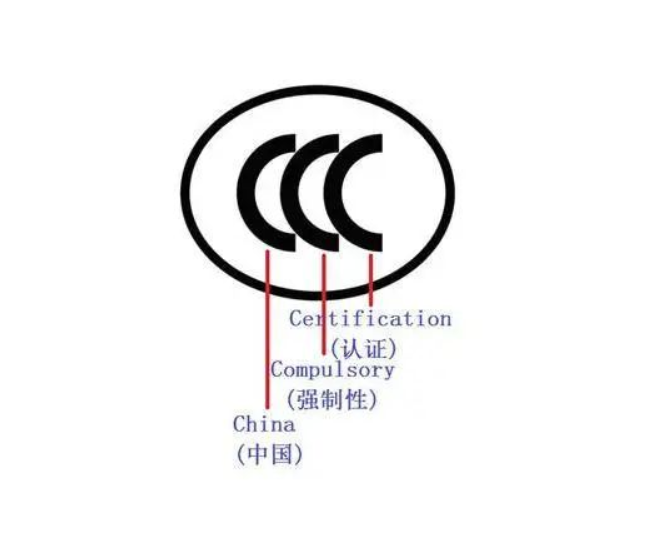
Basic Introduction to 3C Certification for 3D Printers
3C certification is China’s mandatory national product safety certification and the legal qualification for electrical products to enter the domestic market. Most household, commercial and small industrial 3D printers on the market are included in the mandatory certification product catalog. Simply put, any equipment produced, sold or used for commercial purposes within China must pass 3C certification. This certification mainly tests core indicators including electrical safety, body protection and operational stability to guarantee safe product use. Unlike ordinary test reports, 3C certification carries legal force and serves as the key benchmark distinguishing compliant products from unlicensed counterfeit goods.
Application Process for 3D Printer 3C Certification
Many enterprises worry that the certification process is cumbersome and time-consuming, yet the standardized, streamlined 3C certification process for 3D printers features manageable difficulty and controllable lead times.
1. Document preparation: Collate enterprise qualifications, product parameters, equipment drawings and other basic materials to confirm certified product models.
2. Sample submission: Deliver compliant equipment samples to authoritative testing bodies for all safety indicator tests.
3. Factory audit: Inspect manufacturers’ production facilities and quality control systems to verify compliance with standards.
4. After review and public announcement, a nationally recognized 3C certification certificate is issued, with full transparency throughout the process.
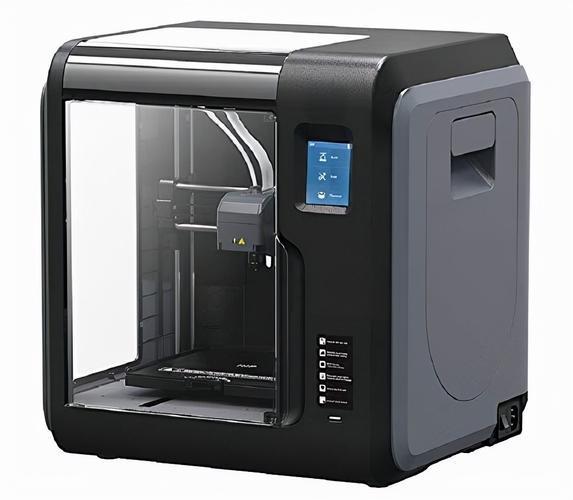
Core Value of Obtaining 3C Certification for 3D Printers
Securing 3C certification delivers tangible operational benefits for enterprises:
In compliance terms, it fully eliminates risks of investigations, fines and product delisting arising from unlicensed operations, enabling fully legal and compliant business operations.
In market terms, 3C certification acts as authoritative proof of product quality, winning trust from end customers while meeting qualification requirements for e-commerce platform entry and government/enterprise bidding, significantly broadening sales channels.
In competitive terms, amid accelerating industry consolidation, certified enterprises can break free from low-end price competition, build a reputable formal brand image, seize market opportunities amid the industry compliance wave and achieve steady growth.
In summary, 3C certification is an essential compliance requirement for the 3D printing industry. Early certification enables enterprises to lock in market advantages sooner and lay a solid foundation for long-term sustainable development.