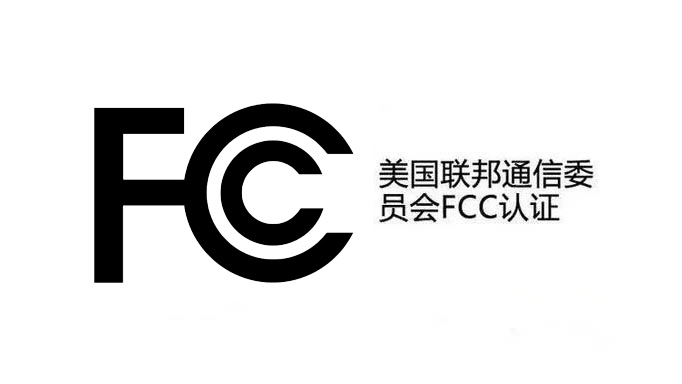
With the continuous heating up of the wireless audio consumer market in the United States, wireless earphones have become an essential product for daily commuting, home entertainment, office work and study there by virtue of their core advantages such as Bluetooth wireless connection, active noise cancellation, lightweight wearing and multi-device compatibility. They cover various types including in-ear, over-ear and semi-in-ear styles, and are compatible with mainstream devices such as mobile phones, tablets and computers, making them a key category for cross-border enterprises to layout the US consumer electronics track. It should be clarified that all wireless earphones with wireless transmission function (Bluetooth module) must obtain FCC certification – the mandatory radio equipment certification implemented by the US Federal Communications Commission – to be legally circulated and sold in the US market. This is a statutory and mandatory threshold for products to smoothly pass US customs inspection, settle in local e-commerce platforms such as Amazon and enter offline digital stores, with no exemptions. Wireless earphones without FCC certification will not only fail to clear customs, but also face cargo detention, high fines, and even be banned from sales in the United States, directly affecting the delivery of cross-border orders and the brand's credibility in the US.
Different from wireless equipment certification in other regions, FCC certification focuses more on radio frequency compliance and signal control. Combined with the characteristics of wireless earphones being worn close to the body and used frequently, its testing standards are more targeted, completely breaking the templated logic of previous certification documents. The core is carried out around three dimensions: "radio frequency performance, electromagnetic compatibility, and radiation safety", accurately adapting to US radio management regulations and audio equipment usage scenarios. Certification testing focuses on three directions: first, radio frequency performance testing, which strictly checks the operating frequency band (mainstream 2.4GHz) and transmission power of the Bluetooth module to ensure full compliance with FCC Part 15 standards, avoiding signal interference with US public communication networks, and ensuring the stability and transmission distance of Bluetooth connection – this is the core inspection focus of FCC certification; second, electromagnetic compatibility testing, which verifies the electromagnetic radiation and anti-interference ability of the equipment during operation, adapts to complex electronic environments such as American homes, offices and outdoors, eliminates problems such as audio freezes and signal disconnections caused by electromagnetic interference, and guarantees users' auditory experience; third, radiation safety testing, which strictly controls the electromagnetic radiation dose combined with the close-fitting wearing characteristics of wireless earphones, conforms to US audio equipment safety standards, and prevents health hazards from long-term wearing.
The process of applying for FCC certification for wireless earphones is in line with the practical operation needs of cross-border enterprises, and is divided into two core modes (Self-Declaration Mode and Certification Mode). Wireless earphones need to adopt the Certification Mode due to their active radio frequency transmission function. Enterprises first need to clarify the core information such as the Bluetooth version, noise cancellation parameters and transmission distance of wireless earphones, and confirm the certification category; then prepare samples completely consistent with the specifications of mass-produced goods (including the earphone body and charging case), entrust a third-party laboratory accredited by the FCC to complete all tests, sort out a complete set of English materials such as product manuals, technical specifications, Bluetooth module test reports and test data at the same time, and submit them to the FCC certification body for review.
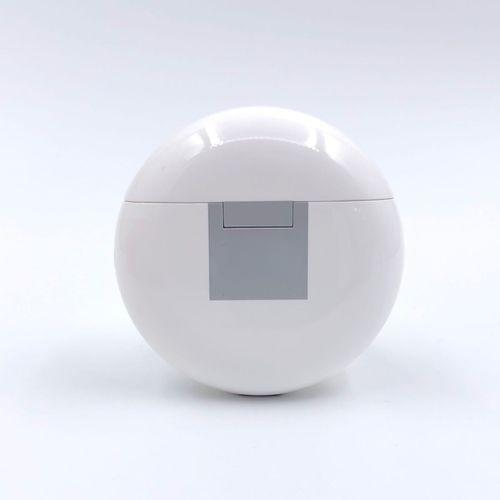
After passing the test and review, the FCC ID number and certification mark must be marked on the wireless earphone body or charging case in accordance with FCC specifications before being eligible for compliant export to the United States. In practical operation, three core misunderstandings need to be avoided: ensure that the Bluetooth module parameters strictly adapt to FCC Part 15 standards to avoid failure of radio frequency testing; ensure that the submitted samples are completely consistent with mass-produced products in terms of Bluetooth function, noise cancellation effect and parameters to eliminate violations in subsequent market random inspections; properly keep certification materials and test reports to cooperate with the regular inspection of FCC regulatory authorities and e-commerce platforms. Only after completing FCC certification can the compliance channel for wireless earphones to enter the US audio market be fully opened, helping enterprises steadily explore the blue ocean market of US consumer electronics.