Center Certification & Testing International
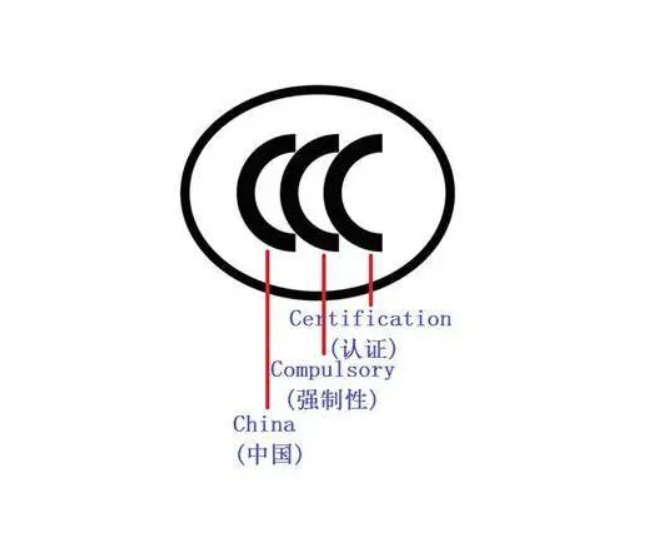
In the current era of rapid technological development, polymer batteries, with their advantages of high energy density, light weight, and good safety performance, are widely used in various electronic products such as smart phones, laptops, and power tools, becoming an important \"energy heart\" that supports modern life. However, to ensure the quality and safety of such battery products, CCC certification has become a crucial step for them to enter the market.
In the current era of rapid technological development, lithium-ion batteries, with their advantages such as high energy density and long cycle life, are widely used in portable electronic products, electric vehicles, energy storage devices and other fields, becoming an indispensable part of modern life. However, with the rapid expansion of its market size, products of varying quality have flooded the market. Some inferior batteries have caused safety accidents such as fires and explosions, seriously threatening the lives and property of consumers. Against this backdrop, the CCC certification system for lithium-ion batteries emerged, aiming to regulate the market and ensure safety.
In the era of vigorous technological development, square batteries, with their unique advantages, have been widely applied in numerous fields. However, before entering the market, it must cross the crucial threshold of CCC certification. So, what exactly is CCC certification? What significance does it have for square batteries? Let\'s explore it in depth together.
In the current era of rapid technological development, pouch batteries, with their lightness, thinness, high energy density and good flexibility, are widely used in various electronic devices and have become an important force driving the development of the industry. However, as its application scenarios continue to expand, security issues have become increasingly prominent. To safeguard consumers\' rights and interests and regulate market order, the CCC certification for pouch batteries has emerged.
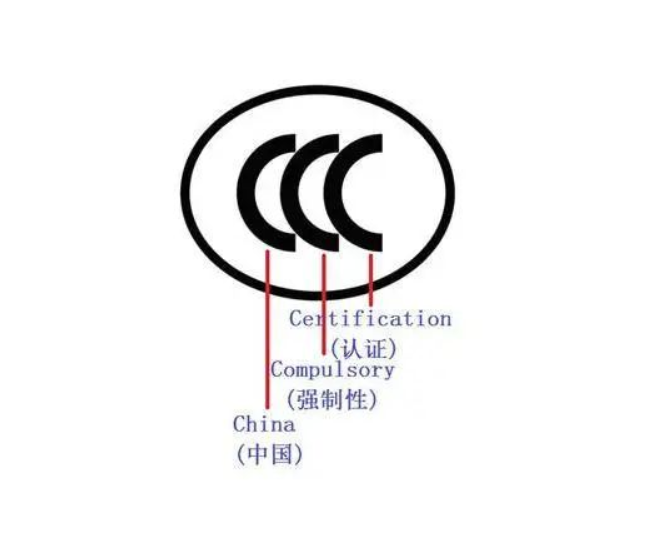
The market for automotive consumer electronics keeps expanding, and on‑board power supplies have become high‑frequency accessories for vehicle owners. Both vehicle‑mounted inverter power supplies and vehicle fast‑charging power adapters are seeing sustained market demand. Many manufacturers focus on product refinement and sales expansion while ignoring mandatory‑certification obligations. Multiple manufacturers have encountered product delisting, cargo seizure and administrative penalties due to missing certificates, rendering their well‑developed products ineligible for market circulation. On‑board power supplies fall within China’s mandatory‑certification control catalogue. CCC certification is an indispensable prerequisite for legal market release.
Driven by growing demand in energy‑storage and portable‑power‑supply scenarios, China’s lithium‑iron‑phosphate (LFP) battery industry keeps expanding. Many manufacturers are targeting the vast overseas market. Nevertheless, market‑access rules vary across jurisdictions. A great number of enterprises encounter practical setbacks such as failed customs clearance upon cargo arrival, disqualified bidding qualifications and product returns. Faced with complicated overseas‑access requirements, CB certification under the IECEE‑CB System becomes a vital solution for LFP‑battery manufacturers.
With growing demand for consumer aerial photography, agricultural plant protection and industrial‑inspection drones, many domestic manufacturers are expanding into overseas markets. Numerous enterprises pour tremendous effort into polishing product performance, yet often run into trouble during cargo transportation and customs inspection. Cases are common where logistics providers reject shipments, or customs detains and returns goods, delaying delivery cycles and costing customer orders. In most instances, root causes lie in missing UN38.3 certification for drone lithium‑ion batteries. Many industry practitioners have limited understanding of this certification, including its applicable scenarios, application procedures and practical functions.
The consumer‑grade TWS Bluetooth earbud market continues to boom. Many brands devote their efforts to appearance design, sound‑quality tuning and noise‑reduction feature upgrades, yet tend to overlook compliance requirements for batteries, a core component. Quite a few manufacturers finish the R&D of complete earbud units and prepare to launch products on e‑commerce platforms and offline channels, only to find their products cannot circulate in the market due to missing 3C certification for batteries, which seriously delays new‑product launch schedules. There is a widespread misconception that once the complete earbud obtains certification, its built‑in battery is automatically compliant. In fact, lithium‑ion batteries used in TWS earbuds fall under mandatory regulatory control, and the battery itself must obtain CCC certification without exception.
Learn the latest exciting content
Tik Tok